
How to Clean a Scotsman Ice Machine the Right Way
Cloudy ice or low output usually means it is time for a cleaning. Here is what a proper Scotsman ice machine cleaning involves, and why most owners leave it to a technician.


A Scotsman ice machine is built to run for years, but it only holds up when it stays clean. Mineral scale, biofilm, and a dirty condenser are common reasons production drops, ice turns cloudy, and a unit shuts itself down on a busy day. Keeping that from happening takes a proper cleaning and sanitizing done on schedule, and that is more involved than most owners expect.
This guide covers how to clean a Scotsman ice machine the way our technicians do it, the maintenance schedule that keeps it running, what a thorough cleaning actually involves, and why it is a job worth handing to a professional.
Why Scotsman Maintenance Matters
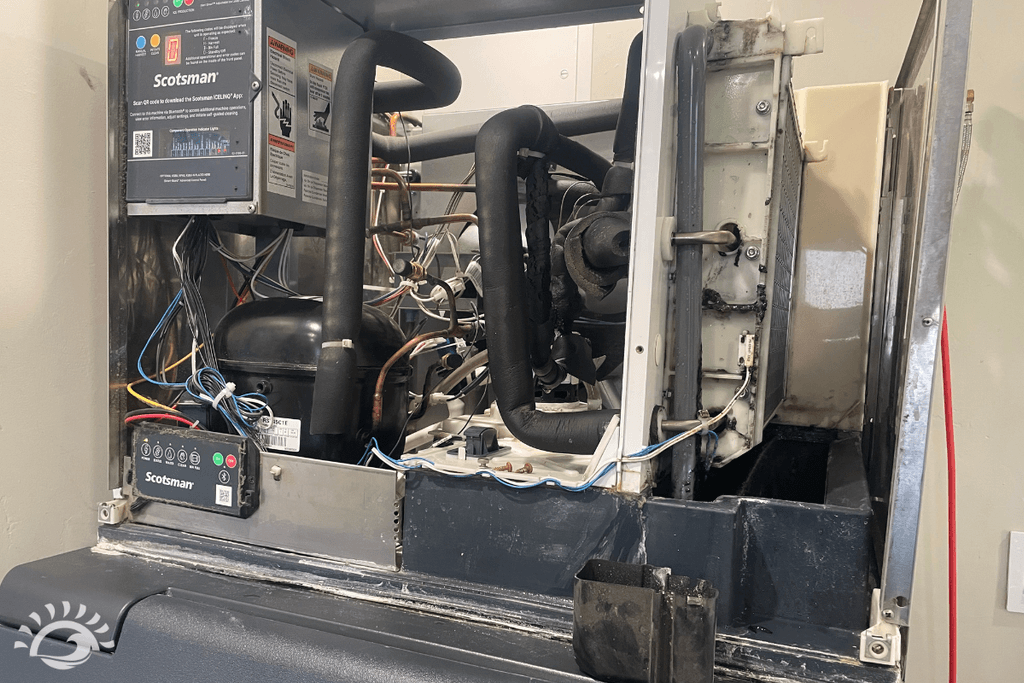
An ice machine is the only appliance in the building that makes a food product around the clock. It pulls in water, freezes it, and harvests it on a repeating cycle, and every part of that cycle is sensitive to buildup. Two things work against a Scotsman over time:
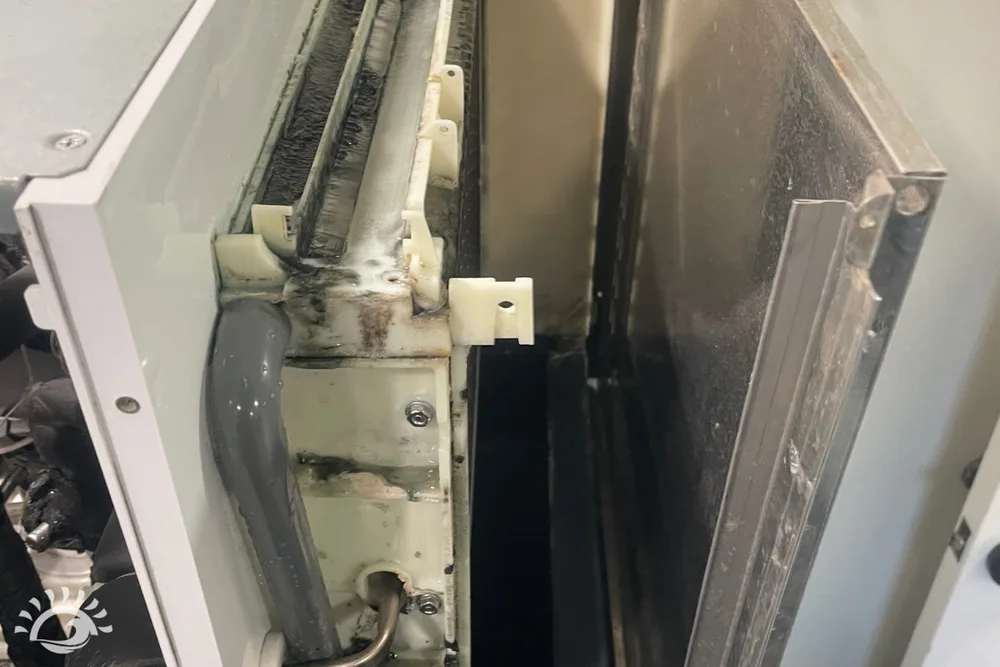
- Hard water scale. Calcium and magnesium from the supply water bake onto the evaporator and water reservoir (or trough). Scale insulates the freezing surface, so cycles run longer and ice comes out thin or hollow.
- Slime and biofilm. The warm, damp water system can support mold, bacteria, and biofilm if it is not sanitized regularly. Left alone it clogs the water distribution tube and ends up in the ice.
Stay ahead of both and the machine runs efficiently, the ice stays clear, and the expensive parts last. Fall behind and you are looking at low production, foul-tasting ice, and eventually a no-ice service call.
How Often to Clean a Scotsman
Scotsman calls for a deep cleaning and sanitizing at least twice a year. In areas with hard water or heavy use, such as a restaurant or a busy break room, plan on every three to four months. Between those deep cleans, a few quick checks each month keep things in good shape:
- Wipe down the exterior and the door or curtain.
- Check the bin for any cloudy or oddly shaped ice, which is an early sign of scale.
- Look at the condenser area for dust if the unit is air cooled.
If your machine uses an external water filter, replace it on the manufacturer's schedule. A clogged filter can reduce ice production and contribute to scale buildup.
What You Need Before You Start
Use the right chemicals. A Scotsman has two distinct cleaners, and they are not interchangeable:
- Scale remover (ice machine cleaner). A nickel-safe acid cleaner that dissolves mineral buildup on the water-contact parts.
- Sanitizer. Used after the scale remover to kill mold and bacteria on those same surfaces.
You will also want gloves and eye protection, a soft brush or cloth, and clean water for rinsing. Never use household cleaners or unapproved chemicals inside the machine. Only use Scotsman-approved descaler and sanitizer, and never mix cleaning chemicals together.
What a Proper Scotsman Cleaning Involves
Here is the process our technicians follow. It is worth understanding, because each step has to happen in the right order with the right chemicals. Rushed or skipped steps are how a machine ends up with damaged parts, contaminated ice, or a voided warranty.
1. Turn the machine off and remove the ice
Turn the machine off or place it into its cleaning mode, depending on your model, and empty the bin so you are not contaminating finished ice. Many models automatically drain the water reservoir as part of the cleaning cycle, while others require manual draining. Once the water is out, you are ready to work.
2. Take out the removable parts
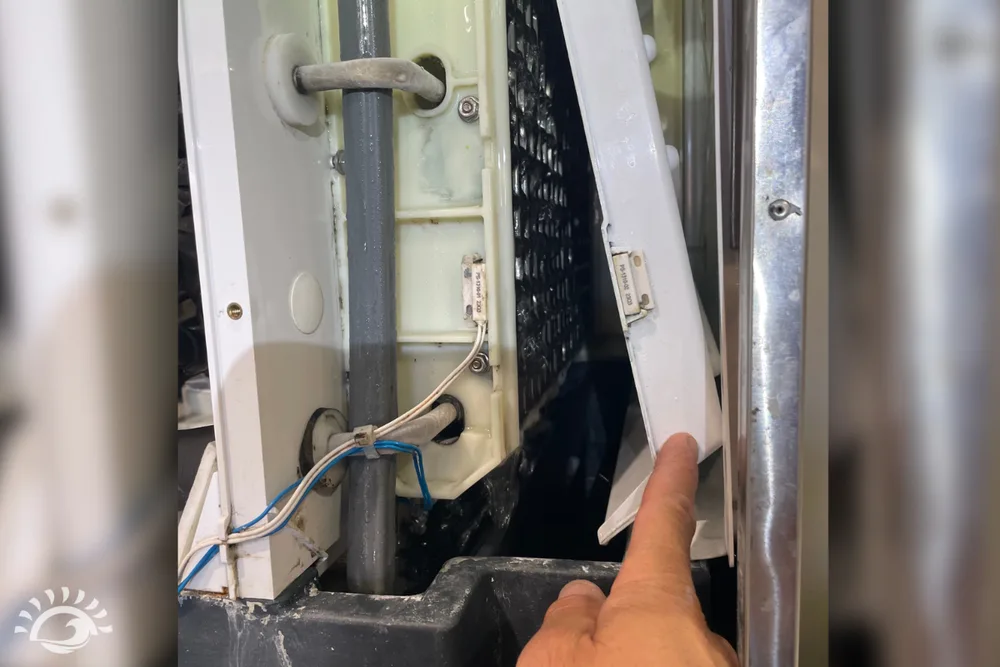
Pull the water trough, distribution tube, and any splash guards or curtains. These hold the heaviest scale and slime, so they are easier to clean out of the cabinet. Soak them in a diluted scale-remover solution while you work on the rest.
3. Run the scale remover through the machine
Mix the scale remover with water per the label and pour it into the reservoir. Start the cleaning cycle so the solution circulates over the evaporator and through the water lines. Give it the full contact time on the label so it can dissolve the scale. Heavy buildup may need a second pass.
4. Sanitize
After the scale remover and a thorough rinse, run a sanitizer solution through the same cycle. This step kills the mold and bacteria that the scale remover does not address. Let it circulate for the full time on the label, then rinse again with clean water.
5. Reassemble and discard the first batch
Reinstall the trough, distribution tube, and guards, then return the machine to normal operation. Throw away the first full batch of ice. It can carry traces of cleaner and is not meant to be used.
Do Not Forget the Condenser
On an air-cooled Scotsman, the condenser coil is the other half of maintenance. When it clogs with dust and grease the machine cannot reject heat, so it runs hot, makes less ice, and can trip a safety shutdown on a warm day. Once a season, shut the unit down and clear the coil with a soft brush and a vacuum, or compressed air blown from the inside out. A clean condenser is one of the simplest ways to protect the compressor.
Signs Your Scotsman Needs More Than a Cleaning
A good cleaning routine solves most performance problems, but some symptoms point to a component that is failing. Call a technician if you see any of these after a proper cleaning:
- Ice is still thin, soft, or cloudy.
- The cycle runs long or the machine harvests but produces very little ice.
- You hear new buzzing or grinding, or you see water pooling under the unit.
- An error light or code keeps coming back.
If your Ice Machine isn't making ice even though it is clean, common causes include a faulty water inlet valve, a control issue, or a sealed system problem rather than scale, and those need a diagnosis.
Keep Your Scotsman Running
A Scotsman cleaning has to be done correctly every time. It takes the right chemicals, the full process, and the time to let each step work. Get it wrong and you risk damaged components, contaminated ice, or a warranty problem. That is why most owners put it on a schedule with a technician who does this work every day.
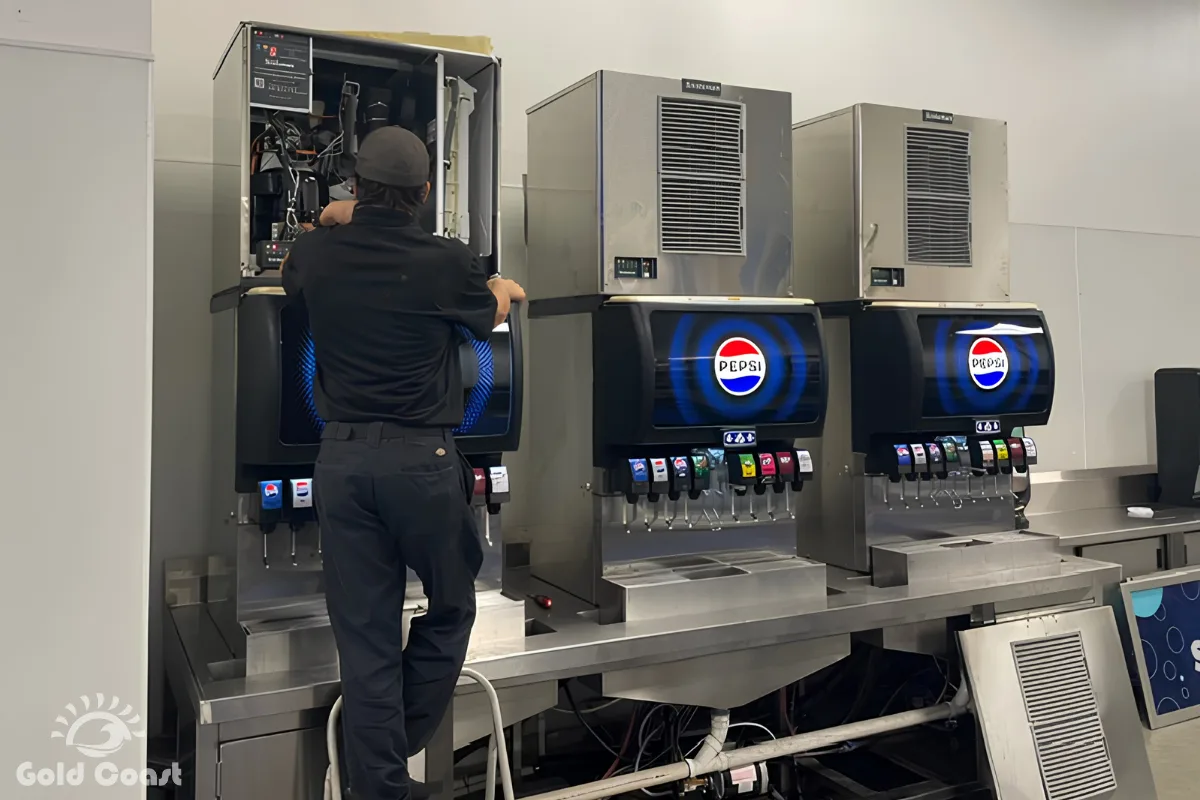
Our team handles scheduled cleanings and repairs so you do not have to. As a local appliance repair company, we offer Ice maker repair near Brentwood and across the East Bay, with same-week appointments and technicians who clean and service every major ice machine brand.
Jason Fletcher
Jason is the owner of Gold Coast Refrigeration Service, which he started in 2016. Before refrigeration, he worked as a civil engineer and as a high school math and science teacher. He completed a formal program in Appliance Service Technology and Refrigeration and works hands-on across every brand and unit type the team services.

Done reading? Let our team handle it.
Same-week appointments across Brentwood, Antioch, Oakley, Walnut Creek, and the surrounding East Bay.