
How Often Should a Commercial Ice Machine Be Cleaned?
Most commercial ice machines need a full cleaning and descaling every six months, but hard water, high volume, or a warm environment can push that to every three to four months. Here is how to tell what your schedule should look like.

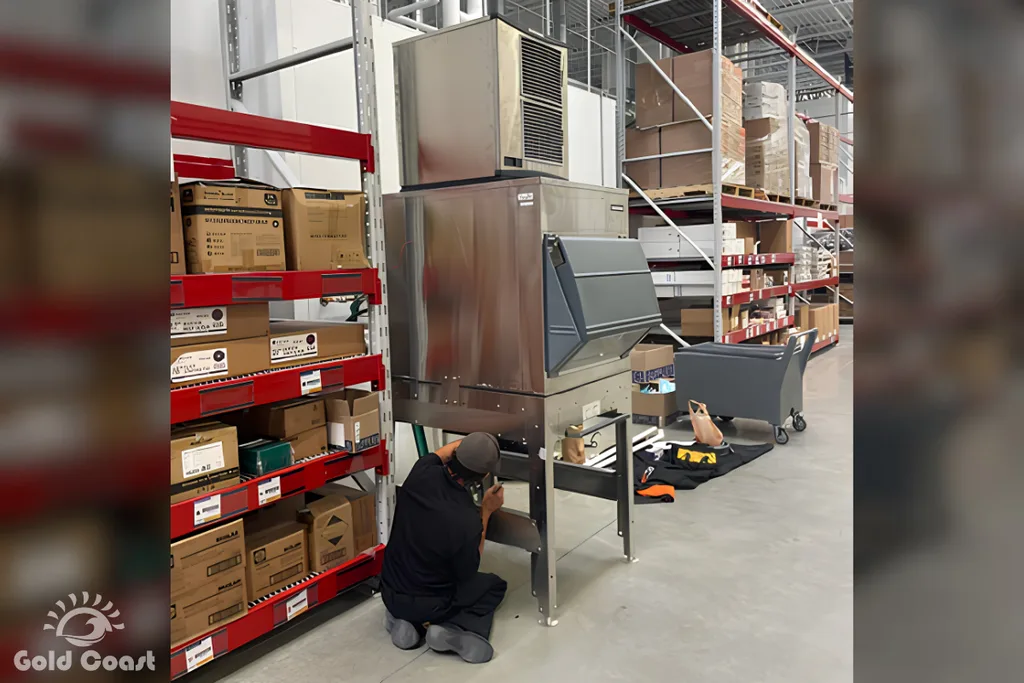
A commercial ice machine runs every hour of every day, and most operators do not think about cleaning it until the ice looks wrong or the machine stops keeping up. By then, scale and biofilm have usually been building for months. Getting ahead of that is straightforward once you know what schedule your machine actually needs — and what drives that schedule to change.
How Often Should You Clean a Commercial Ice Machine?
Every 6 Months (the baseline)
For most machines on average municipal water at moderate production volume, twice a year is the standard. Each cleaning covers two distinct steps:
- Descaling removes mineral scale (calcium and magnesium deposits) from the evaporator, water reservoir, and distribution tube using an acid-based cleaner.
- Sanitizing kills mold, bacteria, and biofilm that build up in the damp interior. It is done after the descaler and a thorough rinse.
Both steps are required every time. Skipping either one leaves the machine only half cleaned.
Every 3–6 Months (for Higher-Demand Conditions)
Clean more often if any of these apply:
- Hard water. High mineral content means faster scale accumulation. If you regularly see scale on fixtures, your ice machine likely needs more frequent service.
- High production volume. A machine running near capacity around the clock builds up buildup faster than one that cycles on and off.
- Warm, dusty, or odor-heavy environments. Heat, airborne grease, and strong-odor environments (seafood, produce) all accelerate contamination inside the machine.
- Known scaling history. A machine that has gone long stretches without cleaning may need more frequent service to stay ahead of re-accumulation.
Cleaning a little early is far less disruptive than dealing with lost ice production or an emergency repair call.
Why Regular Cleaning Matters
Ice Is a Food Product
Ice is classified as a food, so the equipment that makes it must be kept in sanitary condition. Mold, biofilm, or bacterial contamination is a food-safety risk, not just a maintenance problem. A documented cleaning schedule is the most reliable way to stay in compliance with local food-safety requirements.
Scale and Neglect Lead to Breakdowns
Every freeze cycle leaves a thin layer of mineral deposits on the evaporator. Over months, that becomes visible scale — and scale is an insulator. The machine has to run longer to freeze each batch, output drops, and ice comes out thin or soft.
A clogged condenser makes the refrigeration system run hotter, increasing compressor wear. A partially blocked distribution tube creates uneven ice. Left unchecked, these are not just efficiency problems — they are how machines end up needing professional ice machine repair.
Signs Your Ice Machine Needs Cleaning Now
Do not wait for the calendar if your machine is showing any of these:
- Ice is cloudy, soft, or smaller than normal
- Ice has an off taste or smell
- Visible white, grey, or brown scale on any water-contact surface
- Visible slime, mold, or dark discoloration on interior plastic or rubber parts
- Freeze cycles running noticeably longer than usual
- Ice production has dropped without any change in demand
- Error codes or unexpected shutdowns
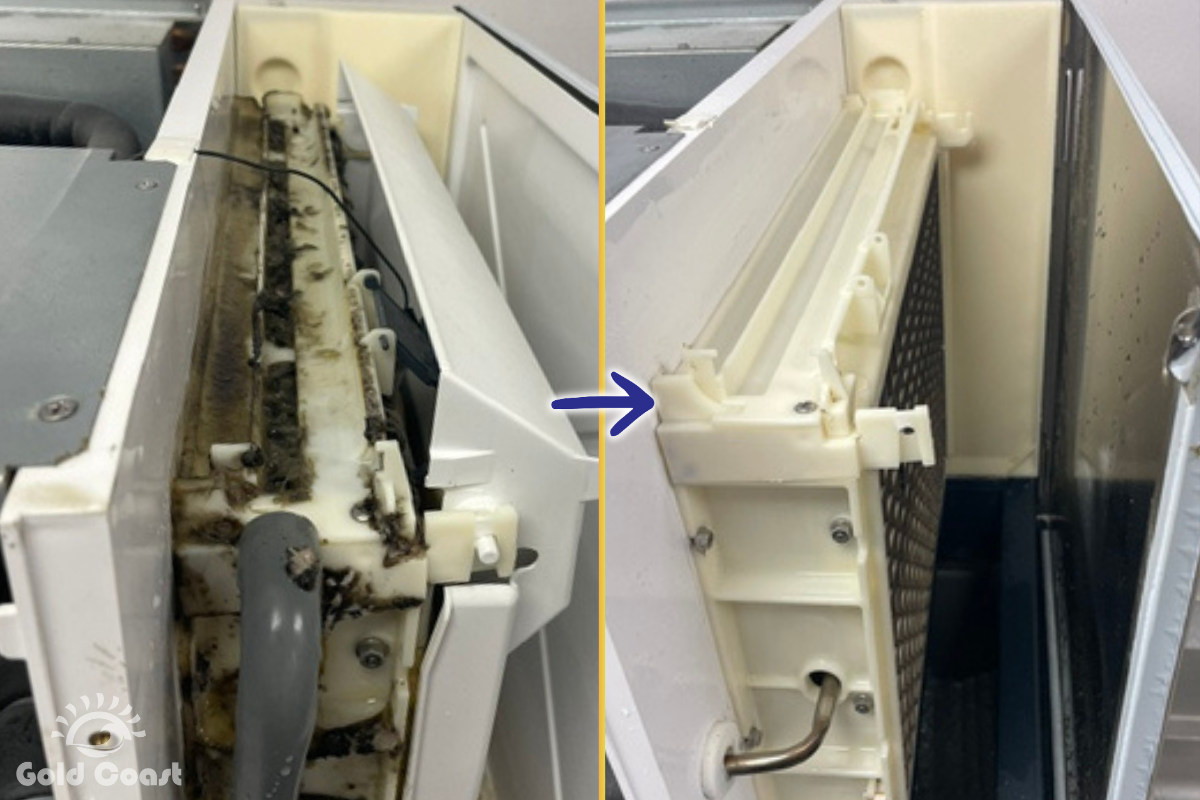
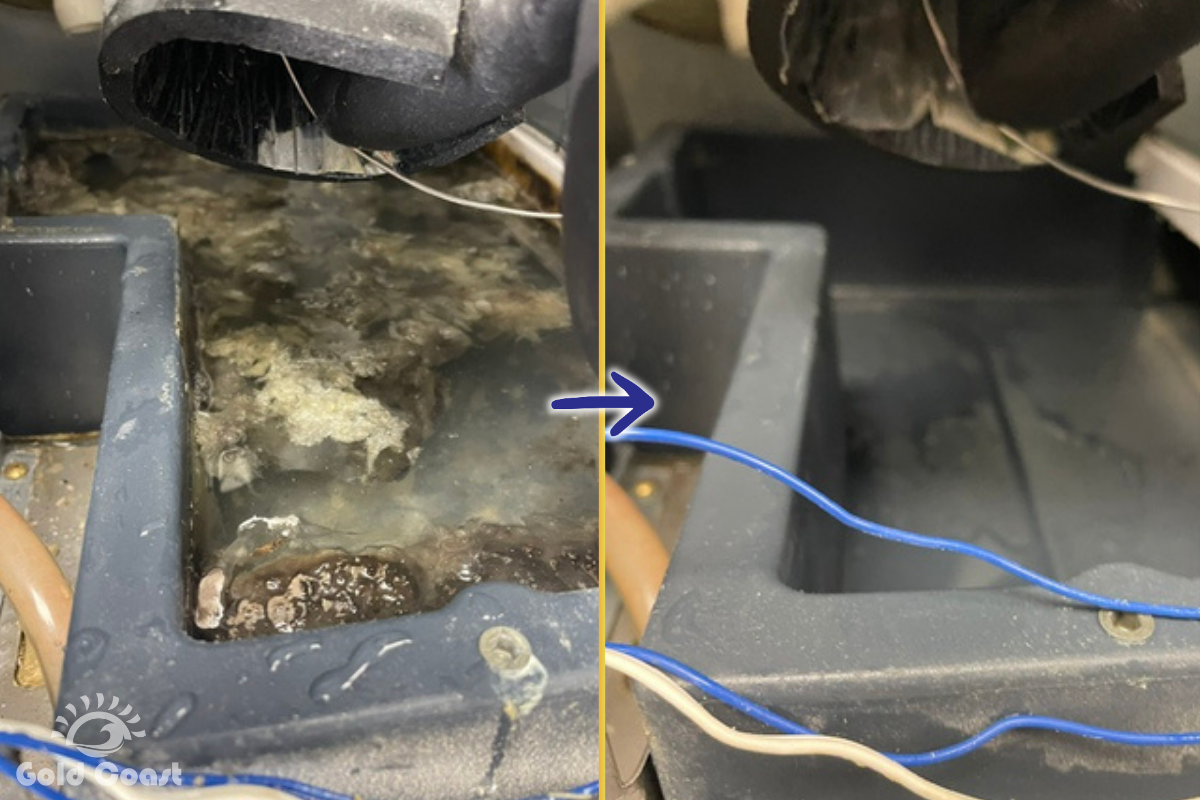
If your ice machine isn't making ice even after a cleaning, the problem may have moved beyond buildup — a faulty water inlet valve, worn pump, or refrigerant issue that needs a proper diagnosis.
What a Professional Cleaning Includes
Descaling
Water-contact components (trough, distribution tube, splash guards) are removed and soaked in a diluted acid cleaner. The descaler is also circulated through the internal water circuit to treat the evaporator and lines, then flushed completely.
Sanitizing
An approved sanitizing solution is run through the same system to kill mold, bacteria, and biofilm the acid cleaner does not address. Any ice produced during the process is discarded per manufacturer instructions.
Condenser and Water Filter
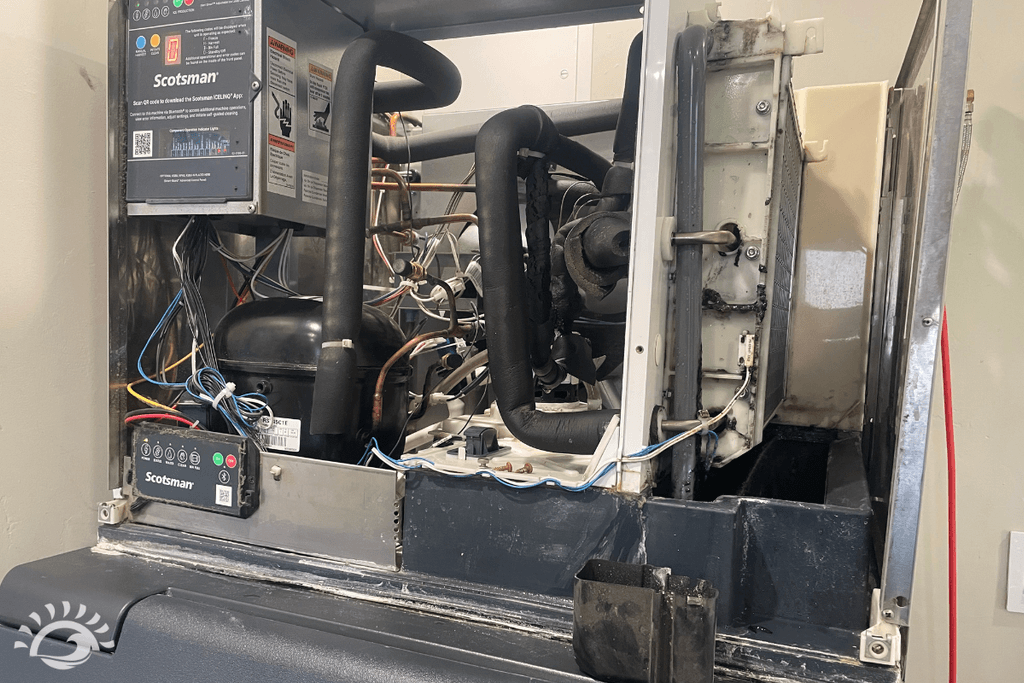
On air-cooled machines, the condenser is inspected and cleared of dust and grease. The water filter is checked and replaced if due. For a full walkthrough of the cleaning process by brand, see our guide on how to clean a Scotsman ice machine — the steps are similar across most units.
Can You Clean It Yourself?
Basic upkeep — wiping down the exterior, cleaning the bin, and replacing the water filter on schedule — is straightforward for most operators. Some manufacturers also include a built-in cleaning cycle that simplifies running descaler through the water system.
A full professional cleaning is a different job. It involves disassembling water-contact components, using correctly diluted food-safe chemicals, and verifying every surface is properly rinsed before the machine goes back into service. Call a technician when:
- The machine has never had a professional cleaning
- There is visible mold, heavy scale, or a history of missed intervals
- A warranty or health inspection requires documented service
- The machine is showing performance symptoms cleaning alone may not fix
Scheduled professional cleaning is preventive maintenance — separate from repair. If a cleaning visit uncovers a failing component, that becomes a separate conversation.
A Simple Maintenance Schedule
Use this as a starting point. Always defer to your manufacturer's instructions and local food-safety requirements.
| Interval | Task |
|---|---|
| Monthly | Wipe down exterior and bin; check ice quality; inspect condenser area for dust |
| Every 3–6 months | Full descaling, sanitizing, and condenser cleaning; discard ice produced during cleaning |
| Every 6 months | Replace water filter; inspect inlet screen and water valve |
| Annually | Comprehensive technician inspection: electrical connections, water system, seals, refrigeration performance |
| As needed | Address warning signs immediately: off taste, visible mold or scale, production drop, error codes |
Schedule Service With Gold Coast Refrigeration
Our technicians handle scheduled cleaning, descaling, sanitizing, and inspection for commercial ice machines across the East Bay.
If your machine is overdue, showing warning signs, or you want it on a documented maintenance schedule, visit our commercial ice machine cleaning service page to learn what is included and request a visit. If your machine needs a diagnosis or repair, see our ice machine repair page.
Jason Fletcher
Jason is the owner of Gold Coast Refrigeration Service, which he started in 2016. Before refrigeration, he worked as a civil engineer and as a high school math and science teacher. He completed a formal program in Appliance Service Technology and Refrigeration and works hands-on across every brand and unit type the team services.
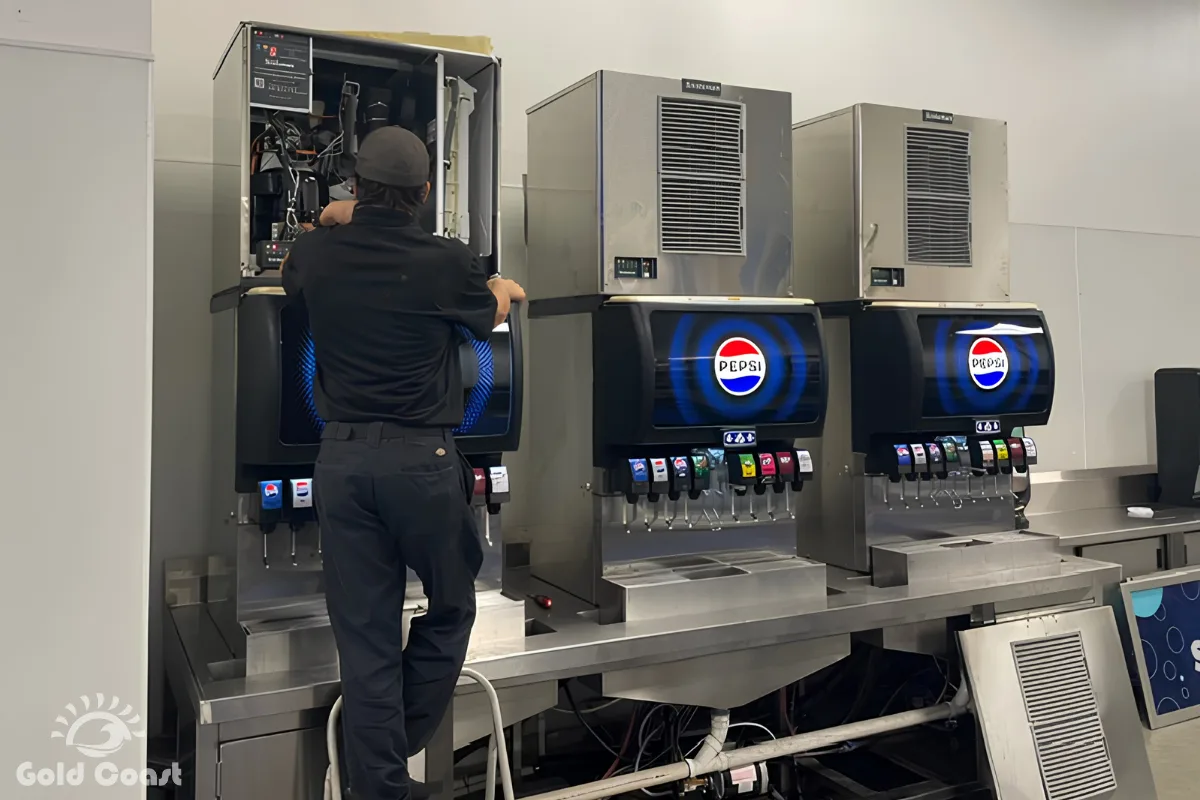
Done reading? Let our team handle it.
Same-week appointments across Brentwood, Antioch, Oakley, Walnut Creek, and the surrounding East Bay.