
Samsung Refrigerator Not Cooling? A Step-by-Step Guide
A beginner-friendly walkthrough for diagnosing a Samsung fridge that has stopped cooling, including the settings, sensors, and components that fail most often.


So, your Samsung refrigerator isn’t cooling—and you’re starting to panic. We get it. Few things are more frustrating than opening the fridge to find your milk lukewarm or your leftovers questionable. But take a deep breath: some Samsung refrigerator not cooling issues can be solved without calling in a pro.
This guide is designed for beginners—no fancy tools or professional refrigerator repair knowledge required. We’ll walk you through the most common reasons your Samsung fridge might not be cooling and how to troubleshoot each one, step by step. Let’s get your refrigerator (and your food) back to chill mode.
Why Your Samsung Refrigerator Is Not Cooling
When your Samsung refrigerator stops cooling, there’s always a root cause. Pinpointing the issue is the first step toward fixing it. Below are the most common problems that could be behind your fridge’s sudden lack of cool.
Dirty Condenser Coils in Samsung Refrigerator
What’s going on: The condenser coils release heat from inside the fridge. When they get coated in dust or pet hair, they can’t do their job efficiently.
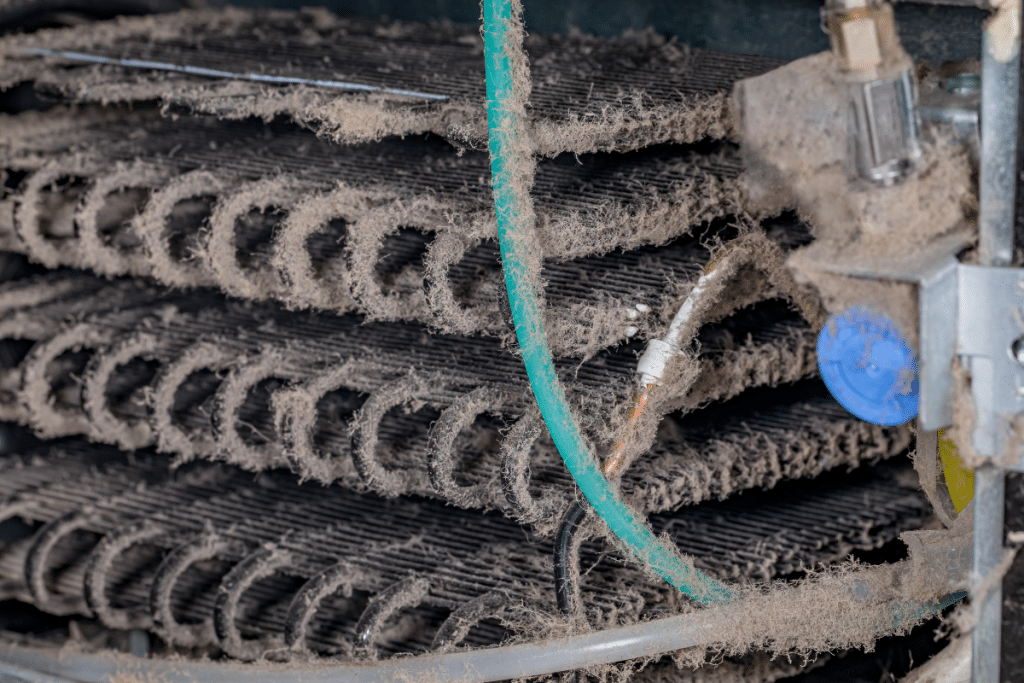
Why it matters: If the coils are too dirty, your fridge can’t maintain the cold temperature needed to keep food fresh.
How to spot/fix it:
-
Unplug your refrigerator and look behind or beneath it for the coils.
-
If you see dust buildup, gently vacuum or use a coil brush to clean them.
-
Do this every 6 months to prevent future issues.
Clogged Defrost Drain in Samsung Refrigerator
What’s going on: The defrost drain carries excess water away during defrost cycles. Over time, it can become clogged with debris or ice.
Why it matters: Water backs up and can freeze, affecting airflow and cooling performance.
How to spot/fix it:
-
Look for water pooling under the crisper drawers or behind the back panel inside the fridge.
-
Flush the drain with warm water using a turkey baster or plastic tube.
-
Use a soft pipe cleaner to remove any gunk.
Faulty Evaporator Fan in Samsung Refrigerator
What’s going on: The evaporator fan circulates cold air from the freezer to the fridge compartment.
Why it matters: If it stops working, the fridge may feel warm even if the freezer seems fine.
How to spot/fix it:
-
Listen for a humming or whirring sound; silence may signal a broken fan.
-
Open the freezer and press the door switch—if the fan doesn’t run, it might need replacement.
-
This fix may require a technician if you’re uncomfortable with electrical components.
Samsung Refrigerator Door Gasket Not Sealing Properly
What’s going on: The gasket is the rubber seal around the fridge door. If it’s loose or damaged, cold air escapes.
Why it matters: Your fridge works harder to cool, and it may never reach the right temperature.
How to spot/fix it:
-
Check for cracks, mold, or gaps in the seal.
-
Close a dollar bill in the door and see if it slides out easily—if so, the seal is weak.
-
Clean it with warm soapy water or replace it if damaged.
Samsung Refrigerator Start Relay Failure
What’s going on: The start relay helps the compressor (which cools the fridge) turn on. If the start relay fails, it can result in a Samsung refrigerator not cooling.
Why it matters: If it fails, your compressor might not start at all.
How to spot/fix it:
-
The relay could be the issue if your fridge is warm but you hear clicking noises.
-
Unplug the fridge and test the relay with a multimeter—or have a technician inspect it.
-
Replacing the start relay is affordable and usually a quick fix.
Thermostat Settings Are Incorrect
What’s going on: Sometimes the issue is as simple as a bumped control panel.
Why it matters: If the temperature is accidentally set too high, your fridge won’t stay cold.
How to spot/fix it:
-
Check the temperature setting—it should be around 37°F (3°C) for the fridge.
-
If it’s higher, adjust it and wait 24 hours to see if the issue resolves.
Overloaded Refrigerator or Blocked Vents
What’s going on: A packed fridge can block airflow, while vents covered by containers prevent even cooling.
Why it matters: Cold air can’t circulate, leading to uneven or warm areas inside.
How to spot/fix it:
-
Rearrange items to leave space around the vents (usually on the back panel).
-
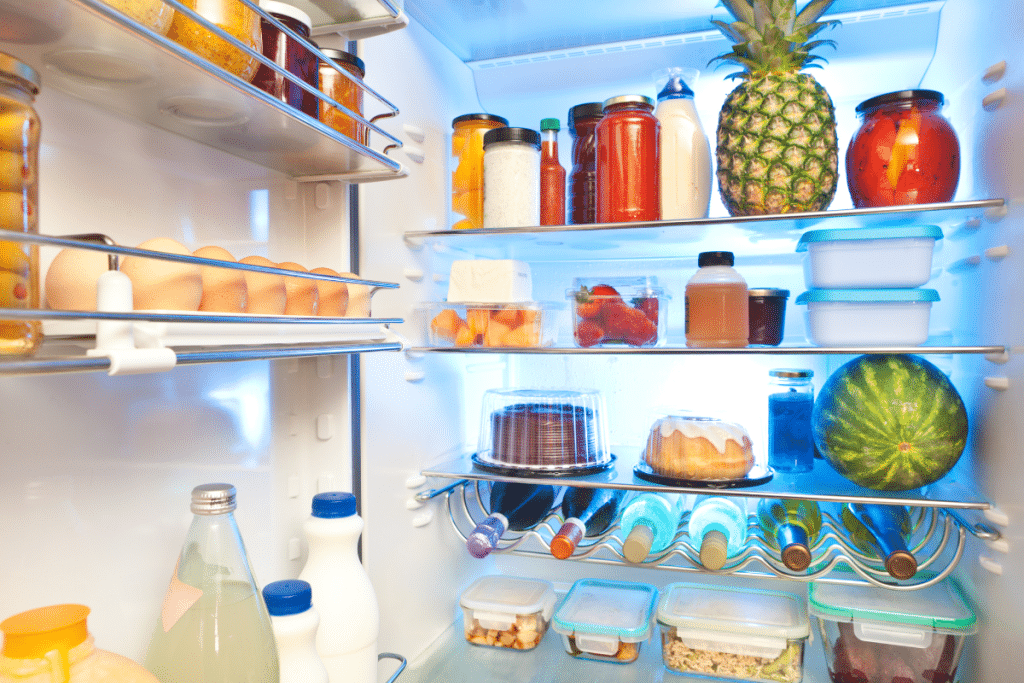
Avoid overloading the fridge and allow 20–30% open space for air movement.
When your Samsung refrigerator isn’t cooling, it doesn’t always mean a costly repair. Often, a little investigation and a quick DIY fix can solve the problem. From dirty coils to faulty fans, now you know what to look for. If you’re still unsure or the fridge just won’t stay cold, don’t worry—professional help is just a call away.
Quick Tip: Clean your condenser coils every 6 months to prevent future cooling issues and keep your fridge running efficiently.
Jason Fletcher
Jason is the owner of Gold Coast Refrigeration Service, which he started in 2016. Before refrigeration, he worked as a civil engineer and as a high school math and science teacher. He completed a formal program in Appliance Service Technology and Refrigeration and works hands-on across every brand and unit type the team services.
Done reading? Let our team handle it.
Same-week appointments across Brentwood, Antioch, Oakley, Walnut Creek, and the surrounding East Bay.